
Longevity assessment
A clearer view of health, performance, and biological aging.
Precision Lifestyle Medicine Institute uses advanced assessment pillars to understand function, biomarkers, sleep, imaging, genomics, epigenetics, and the practical steps that may support long-term well-being.
How we assess
Assessment gives the care plan its direction.
In precision lifestyle and longevity medicine, the goal is to look beyond symptoms alone and understand the factors that influence function, recovery, resilience, and long-term health. Findings from testing and review help guide holistic and integrative interventions.
The result is a more personal plan that can include lifestyle medicine, exercise, nutrition, prescriptions, supplements, regenerative care, and follow-up monitoring when appropriate.
Assessment Pillar
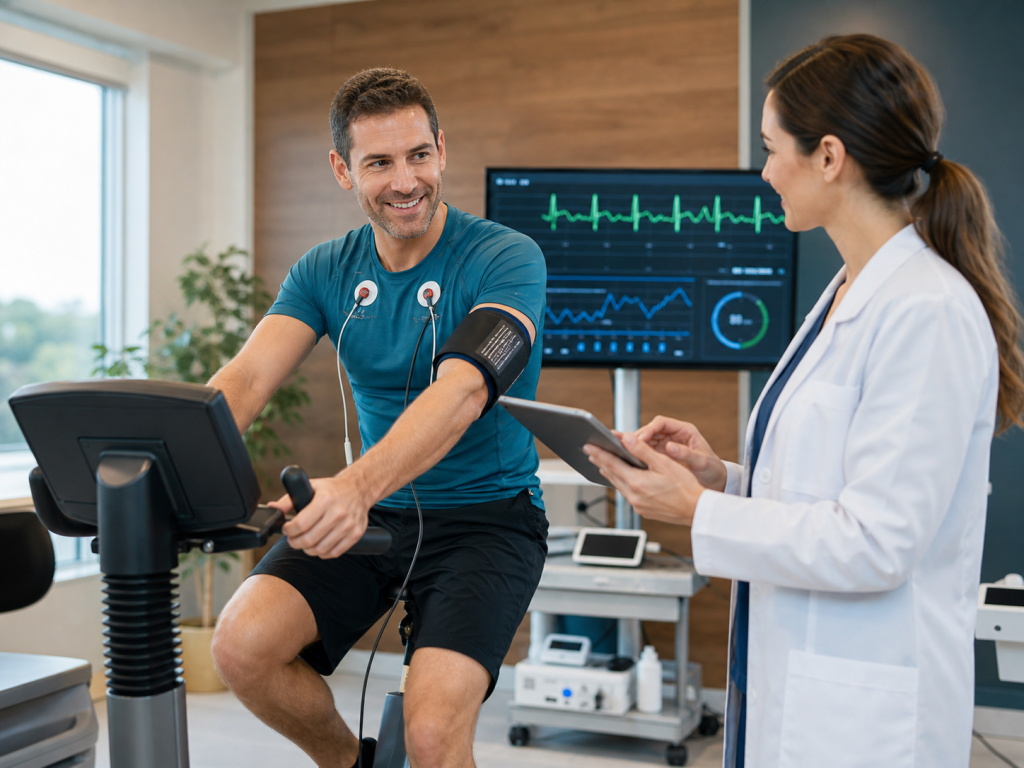
Cardiopulmonary Fitness
Exercise testing to understand function, endurance, and performance capacity.
Cardiopulmonary fitness assessment helps evaluate how the heart, lungs, muscles, and circulation work together during physical activity.
These findings can guide personalized exercise programming, recovery strategies, and follow-up planning for patients focused on function and long-term health.

Assessment Pillar
Blood Biomarkers
Biomarker analysis to support personalized recommendations and follow-up.
Blood biomarkers offer a practical view into metabolic health, inflammation, nutrition, recovery, hormone patterns, and other factors that may influence longevity planning.
Results are reviewed in context with symptoms, history, medications, lifestyle, and goals so recommendations remain clinically grounded and personal.

Assessment Pillar
Genomics & Epigenetics
Genetics and epigenetics considered as part of a broader longevity picture.
Genomics and epigenetics can add another layer of insight into individual risk patterns, biological aging signals, and potential areas for prevention or optimization.
These results are not used in isolation. They are interpreted alongside biomarkers, lifestyle, sleep, exercise capacity, imaging, and clinical context.

Assessment Pillar
Sleep Analysis
Sleep data reviewed as a practical foundation for health and recovery.
Sleep quality, consistency, and recovery patterns can affect energy, cognition, pain, metabolism, cardiovascular health, and overall resilience.
Sleep analysis may include patient history, tracking data, and follow-up recommendations that support more restorative rest and better day-to-day function.
Assessment Pillar
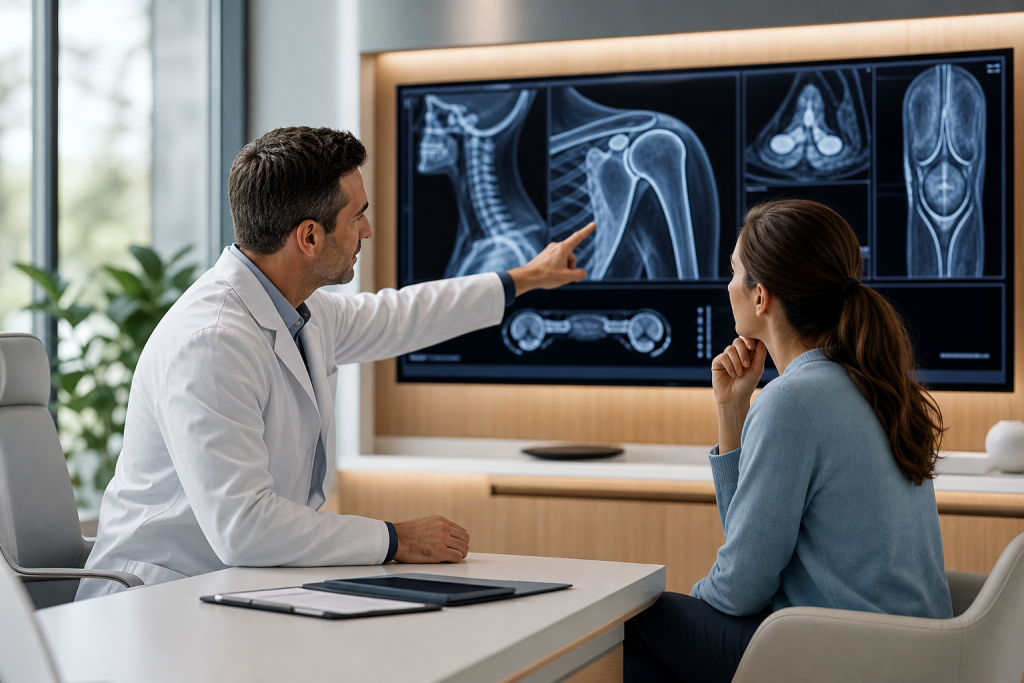
Advanced Imaging
Imaging interpretation to help guide pain, spine, joint, and performance care.
Advanced imaging can help clarify structural concerns, tissue health, and potential contributors to pain or functional limitation.
When appropriate, imaging findings are combined with physical examination, history, goals, and other assessments to guide conservative care, procedures, or regenerative options.

Assessment Pillar
Personalized Plan
A practical plan shaped by assessment findings, goals, and clinical needs.
The personalized plan brings assessment findings into a focused path forward, with recommendations selected around the patient’s priorities, risks, current health, and long-term goals.
When clinically appropriate, the plan may include lifestyle medicine, exercise, nutrition, herbs, spices, dietary supplements, prescriptions, phototherapy, regenerative interventions, or ongoing monitoring.
Next step
Use assessment findings to build a practical longevity plan.
Schedule an appointment to discuss your goals, current concerns, and which assessment pillars may be appropriate for you.